The Lexington-Fayette Urban County Government's (LFUCG) General Government and Planning Committee recently received a presentation on the potential creation of a Development Liaison position designed to help streamline the city’s development process and accelerate housing projects.
The proposal stems from recommendations included in the city’s 2023 Development Process Study, which found that some development projects in Lexington can take roughly twice as long to move through the local approval process compared to peer cities. The report identified improved coordination, clearer communication, and more consistent project navigation within local government as key opportunities to reduce delays. Commerce Lexington is joining the Building Industry Association and Lexington For Everyone in support of the “30 by 30” housing advocacy campaign. Housing access and affordability challenges are a top concern for workforce attraction and retention. The numbers from the Kentucky Housing Corporation and a city-commissioned study by EHI are staggering. To meet existing need, Lexington needs 22,000 new housing units – 14,000 rental and 8,000 single family – right now. By 2030, that number will exceed 30,000. Meanwhile, the city is only building about 600 new homes per year – about one-third of what Lexington was building before the Great Recession.
In November, the Kentucky Housing Task Force, a special legislative interim committee, released its final 2025 report, outlining 14 specific recommendations to address the state's critical housing shortage. Chaired by Senator Robby Mills (R-Henderson) and Representative Susan Witten (R-Jefferson) the task force convened five times since June and heard from a diverse range of stakeholders, including the Kentucky Housing Corporation, the Pew Charitable Trusts, the Kentucky Chamber of Commerce, and Commerce Lexington. Drawing on insights from neighboring states like Indiana, which has invested over $100 million in housing infrastructure since 2023, the report emphasizes urgent policy action to boost supply, reduce costs, and keep Kentucky economically competitive. Without meaningful intervention, the task force warns that Kentucky risks declining population, workforce shortages, and slower job creation. The recommendations are expected to help shape legislative priorities for the 2026 Regular Session of the Kentucky General Assembly.
On October 21st, the Kentucky General Assembly’s state Housing Task Force held its last fact-finding meeting. This is the second year this task force has been organized, demonstrating the legislature’s priority interest in learning about the Commonwealth’s housing issues, roadblocks, and possible solutions. The Legislative Interim, which occurs between state Legislative Sessions, emphasizes policy development, stakeholder input, and preparation. Interim activities are led by approximately 16 standing Interim Joint Committees, formed by merging House and Senate standing committees. These committees provide continuity on core policy areas, meeting monthly to review legislation implementation and draft bills. This past May, legislative leaders announced five joint task forces to tackle emerging issues, each co-chaired by one House and one Senate member, with bipartisan participation. These groups aim to deliver reports and bill drafts by early 2026, including Kentucky’s Housing Task Force.
Commerce Lexington and the Building Industry Association (BIA) of Central Kentucky recently hosted a Housing Development Workshop for Lexington City Councilmembers and legislative aides. The workshop provided an opportunity to educate council members about the current housing landscape, community needs, challenges, and opportunities to provide more accessible and affordable housing in Lexington.
During the workshop, Councilmembers learned about the history of land use and housing development, recent home building and permitting trends, and factors impacting supply and affordability. Councilmembers participated in site visits to active housing developments both for affordable housing and market-rate developments. The immersion tour helped local leaders better understand the realities of “a day in the life of a developer.” From lengthy development plan certifications to costly regulatory requirements and other delays, local government process challenges add additional costs that impact housing affordability. Commerce Lexington’s Leadership Visit trip to Madison, Wisconsin (May 14-16) presented by Central Bank & Trust Co. included a delegation of 160-plus regional business, education, government, and nonprofit leaders. The group kicked off the agenda on May 14 at The Pyle Center Alumni Lounge on the campus of the University of Wisconsin - Madison. After a brief welcome, the delegation heard from Jason Ilstrup, President of Downtown Madison Inc., Lexington Mayor Linda Gorton, and Madison Mayor Satya Rhodes-Conway. Day one sessions concluded with a higher education discussion featuring University of Kentucky President Dr. Eli Capilouto and Dr. Jennifer Mnookin, Chancellor of the University of Wisconsin - Madison.
By Violet Ferguson, Commerce Lexington Inc. Public Policy Intern I’m a member of Gen Z, and one of my top concerns for the future is securing housing that will meet my needs and budget for a young professional. I am a born and raised Lexingtonian. Like many of my generation, I dream of raising a family and owning my own home. However, this vision is dimmed by the harsh realities of the housing market across the U.S., and specifically in Lexington. I am going into my second year at American University in Washington, D.C. I am currently back in Lexington for the summer interning with Commerce Lexington. While living in D.C., the issue of housing has become a topic discussed by my peers and me as we are forced to think about our living arrangements for college. While back in Lexington, I’ve learned many of my local friends feel the same stress of rapidly rising housing rates. Students and young professionals are having to live with parents or friends or live outside of Fayette County and commute to school or work opportunities because of the high costs or lack of inventory. Commerce Lexington Among Organizations Collaborating on the Project
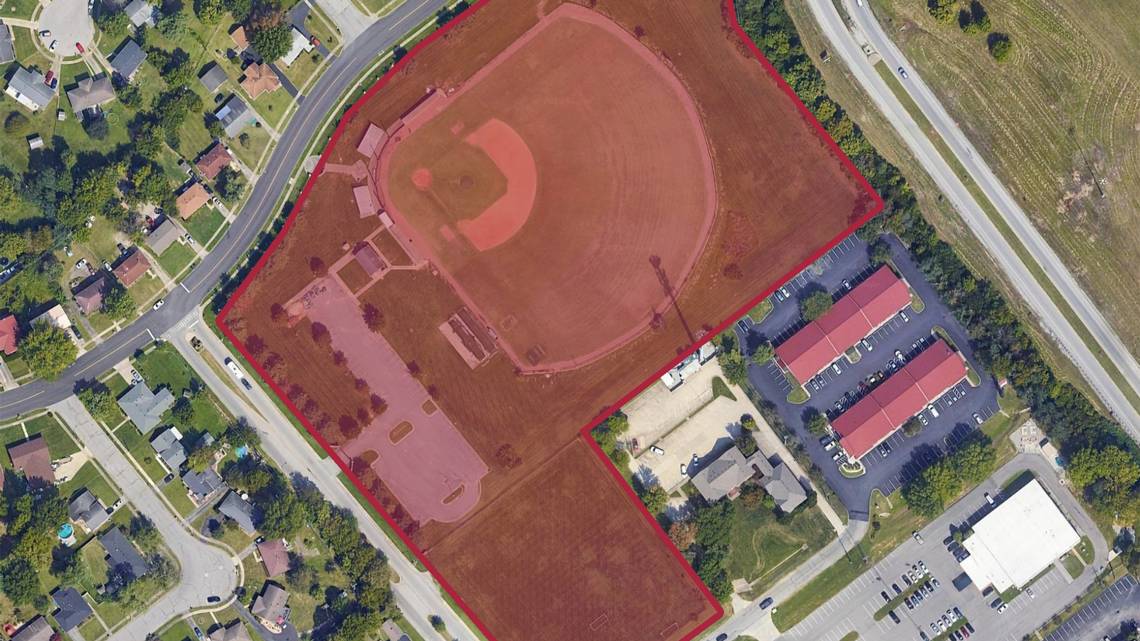
Transylvania University’s Marquard Field complex, home to the Pioneer baseball program for 20 years, will soon be the new home to a 12.5 acre affordable housing development. A consortium of local banks has created a joint entity to purchase the land along Radcliffe Road and Haggard Lane from the university. Local affordable housing developers will build a combination of housing types on the property. “As Pioneers, our centuries-long commitment to achieving excellence has been guided by these core values: integrity, innovation, diversity, community and perseverance,” said President Brien Lewis. “We are proud of the role Transylvania plays as a part of the Lexington community and how this project gives us the opportunity to be part of a visionary solution.” |